5 Easy Steps to Make a Buddha Bowl | Mindful Eating | Ahimsa Nutrition

We are delighted that many of our visitors are trying our Nutrition of Nonviolence, a nutritional regimen that finally makes sense from an ethical perspective, health and mindful living. Though we receive a lot of questions about how to start. Many of you want to sustain and enjoy plant-based eating on a daily basis. Surely, we are all pressed with time, ability to source good ingredients and make the meals exciting and somewhat new. 

There is a very healthy, easy and nutritious way how every person and family can go all-in plant-based and strive on it. 

Imagine you have a bowl and then you can easily personalize it by weight, protein needs, fats, and calories. So depending on whether you are prepping it for your kid or yourself, you can always make it just right. 

There is a fail-safe formula you can use to make mouthwatering Buddha Bowls, full with delicious veggie and whole food products each time. And you can make it on a very strict budget or spend a bit more on something exotic to add to your bowl. 

5 Steps to a Perfect Buddha Bowl

Let’s outline this easy vegan Buddha Bowl formula in 5 easy steps:

  1. Cook grains, so you have 1/4 of your bowl made of either quinoa, faro, brown rice, lentils or freekeh. If desired, you can substitute grans for whole grain noodles too. 
  2. Another 1/4 of your bowl is your favorite protein – think of beans, chickpeas, seitan, tofu, peas and so on. Go back to our recommendations for Nutrition of Nonviolence to reassure anyone – we do not need more protein than 0.8 grams of it per kilogram of your body. Do not overdo on your protein, you may be harming yourself instead. 
  3. There is a very important 1/4 part of any healthy Buddha Bowl – leafy dark greens. Have a go at spinach, kale, collard greens and so on. Remember that they weigh little, so you need to add quite a volume for your 1/4 bowl. 
  4. Finish your bowl essentials with 1/4 amount of starchy vegetables like squash or sweet potatoes. If you want a lighter and healthier option, choose cruciferous vegetables like cauliflower or broccoli. Also, you can add some carrots, mushrooms or leeks. 
  5. Make your Buddha Bowl sing by dressing it with healthy fats – sprinkle with nuts and pour a delicious dressing on top. Asian-inspired bowls are great with coriander (cilantro), soy sauce, olive oil, lemon/lime juice, maybe some hummus and toasted garlic.  

Obviously, it is very simple and what’s more, you do not need to stick to anything in particular. You just mix and match different ingredients or simply decide to make a bowl a day with totally different dressings. Shopping becomes easy too. Simply go for your best local, organic and seasonal produce. You are not just choosing the best options with regards to nutritional contents. You are supporting your local businesses and minimizing carbon footprint. Choose fresh produce that will nourish your body.

Enjoy This Easy Vegan Meal Often

This no-fuss vegan meal is so easy to make. And it can be also fun to make by a whole family – consider a cook-off!

Every time you have come back home and just too tired to cook, do not call your local pizza place. Simply assemble a Buddha Bowl. 

Every time your kid is a bit naughty with their food choices, simply sneak a few of their favorite ingredients, say peanut butter, into a dressing, and they will love this dish as well. 

Experiment with dressings. Try hummus (simply add some extra oil to it), cashew dip or classic pesto. Soy sauce, peanut sauce, and chili sauce are all fantastic options too. Do use fresh herbs or spice it up with homemade guacamole. 

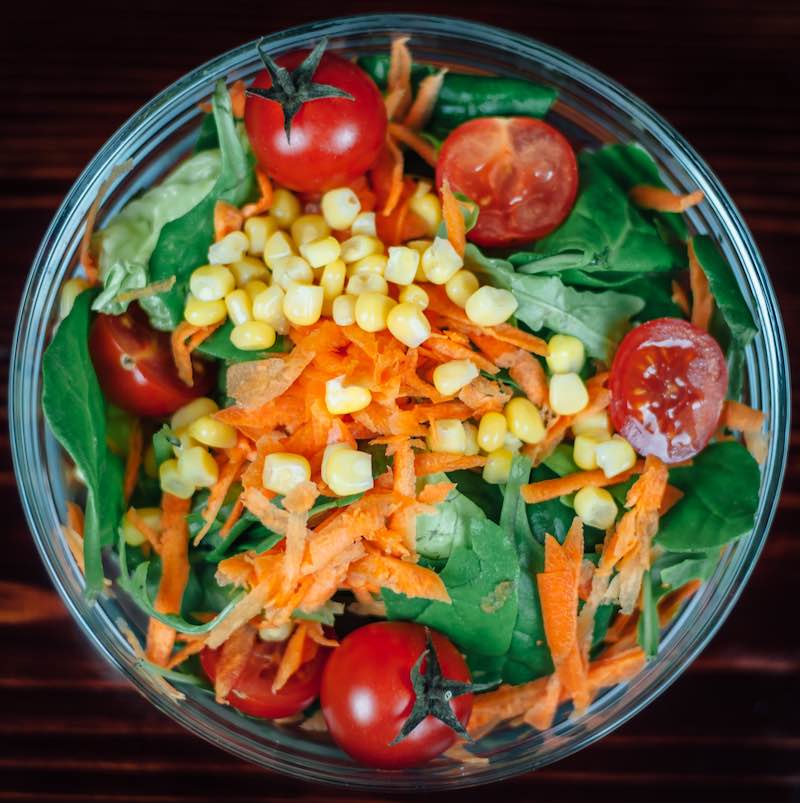
delicious buddha bowl for easy vegan meal

Try one of our favorite Buddha Bowls

Green kitchari: a bowl full of lentils, rice, spices, courgettes, broccoli, kale.

Green quinoa: use 250 g kale, 200 g quinoa, 150 g peas, 2 avocados, tarragon or parsley.

Peanut dressing that all kids crave (and it is healthy too!): mix 150 g peanut butter, 1 garlic clove, 1 ginger, juice of 1 lime, 1 tbsp rice vinegar, 1 tbsp soy sauce, 1 tbsp maple syrup, 1 tbsp sesame oil, 50 ml cold water.

You can now find a lot of inspiration for your bowls and they will make your grocery shopping fun!

See more at Dito’s Table, where the chef-restaurateur gives tips on such bowls as Chilli Non Carne – your go-to bowl rich in protein.

Cruelty and the Nature of Violence

The Nature of Cruelty

Sometimes it’s almost inconceivable that so many people are capable of unspeakable acts of cruelty. Some of them are very visible – abandoned pets, beaten up kids and domestic abuse. Yet some are inflicted on us by our own selves: constant negative rumination and beliefs that we are ‘not enough’. This is cruelty. 

Cruelty means showing indifference to suffering. It can also mean actually inflicting it, or in some very clinical cases, taking pleasure in inflicting it.

There are forces that drive this cruelty – unconscious dislikes or just a feeling of being uncomfortable with something. This all inflicts suffering.

We can be all ‘nice people’, but still inflict suffering to ourselves and/or others. 

We need to make conscious efforts to acknowledge our dislikes and see that another person does actually suffer. This awareness or mindfulness of suffering brings understanding and kindness to our own selves and others. You simply cannot move to eliminate cruelty without a better understanding of yourself and others. When you do understand and accept, the unconscious feelings lose the grip over you and do not trigger cruel intentions or actions.

Therefore, cruelty is the enemy of compassion. Any unkind responses are to be avoided. Yet it is very challenging because of the internal and external pressures that actually trigger such responses. 

Why is it important to recognize cruelty!

When are aware of those causes and can look deeper into them, we can befriend them and move on. This brings a lot of generosity to ourselves and others, feelings of compassion and kindness. 

Without a recognition that it is our own discomfort that causes the suffering of others, we cannot escape and eliminate cruelty.
Let’s hear from Ajahn Sumedho, a Buddhist monk, who said the following in his book “Peace is a simple step”.

‘We kill because of basic ignorance, this unreflecting human mind that tells us to annihilate what is in our way. However, with reflection we are changing that; we are transcending that basic instinctual, animal pattern. We are not just being law-abiding puppets of society, afraid to kill because we are afraid of being punished. Now we are really taking on responsibility. We respect the lives of other creatures, even the ones we don’t like’.

Meditation cultivates awareness

Meditation is a tool that helps us to condition our own minds, so we can let go of the ingrained hard-line views and many fixed ideas, but instead, open up to our own selves and the world around us. 

Mindfulness meditation, when practiced in a disciplined fashion, trains our self-control. The latter, on the other hand, helps to deal with short attention span and hatred.

Mindfulness exercise

One great mindfulness exercise that you can employ during your meditation or simply during your day is to feel your emotions in your body. 

What it means, when you feel hate or an intent to be cruel, simply pause and visualize your emotion. Breathe and feel where in your body this emotion ‘lives’. In example, you can maybe feel it in your throat or near the belly button. Turn your attention to it, observe and accept it as it is. This will make it subside and you can exercise your self-control over it. This is how awarenesses and attention to your own self help you to live without cruelty and hatred. 

Violence vs Calmness

Psychologist David Hume long ago tried distinguishing ‘violent’ passions and ‘calm’ passions. When you practice meditation and employ this mindfulness exercise described above, you cultivate calmness and emotional stability. You do not change who you are, you are just living as a better you.

There are countless implications to living with a lot of hatred and cruel intentions. Jon Kabat-Zinn in his ‘Full Catastrophe Living’ writes:

‘high hostility scores predicted not just myocardial infarction and death from high disease but also increased risk of death from cancer and other causes as well’

We at Ahimsa Meditation have also been reporting on multiple studies that link poor nutrition to violent behaviors (Nutrition of Nonviolence), so you can see that it is all interconnected and you need to employ a holistic approach to better your life. 

Paying attention to your nutrition, being mindful about your feelings in your body and living a calmer and kinder life, all this contributes to health and happiness. 

Meditation for Greed | Minimalism vs Consumerism

Are we here at Ahimsa Meditation leaning towards ultra-minimalism or even asceticism? Are we trying to monetize meditation and create consumer products for this ever increasing market? Our stance is neither of these options. Let us disucuss consumerism, values of enough and how meditation for greed can help us all. 

Whilst we think that healthy minimalism is great and our society’s insatiable nature of consumption should be addressed, we are also great advocates of human progress. 

Humankind has evolved to live more peacefully and we should enjoy the results of such progress. One of the biggest examples is that we are now able to nourish our bodies with plant-based foods without the need for killing innocent animals. 

We are also capable to diagnose and treat many diseases, we have environment-friendly cars and so on. Yet if you look into worldwide statistics, there are so many people who die from overconsumption and lavish lifestyles.  Much more when compared to people who suffer from malnourishment and hunger. Mindful living starts with meditation for greed as a tool to take our insatiability. 

It just shows that consumerism, being the driving force of a capitalist society, also steers us all in a very wrong direction. This destructing direction is clearly visible today. We are horrified that billions of innocent animals are slaughtered every year for our food. Global warming is not just a distant scare anymore. Violence is on the rise even in the most developed nations.  

Lifestyle 

When it comes to our lifestyle, we are capable to live happy right at this moment provided that have “enough” of our basic needs. 

What are those? Everyone should have enough food, shelter, clothing, and medicine. It would be irrational to ask a man to be virtuous if they cannot get at least these.

Nutrition

Healthy nutrition can also showcase how aiming for ‘enough’ benefits to our bodies. Plant-based whole foods provide enough protein for your balanced nutrition. You also can get enough fiber from whole grains, oats, pseudo grains like buckwheat and quinoa. Enough doesn’t mean bare minimum, you can nourish your body with enough nutrients and vitamins by eating food derived from non-violent sources. 

As opposed to that, think about junk food. It simply doesn’t give us what we need from food. Instead, it fills us with toxins. Materialistic values fill us with psychological toxins. Junk values are distorting our minds. Materialism is KFC for the soul. 

That’s how our current system trains us “there is never enough”. 

Enough & Happiness

Thich Nhat Hahn in his book “The Art of Living” says that there are a few mindfulness trainings and one of them is directly focused on finding true happiness. He suggests the following mantra or contemplation can be added to your meditation routine: “I am aware that happiness depends on my mental attitude, not on external conditions, and that I can live in a present moment happily simply by remembering that I already have more than enough conditions to be happy.”

This allows us to forego that annoying thought that creeps in from time to time – ‘Am I good enough?’ It is not productive. You most probably already have enough of everything to be happy. 

R. and E. Skidelsky in the book “How much is enough?” suggest at least three major building blocks of a strategy how to create a better world for everyone: reduce the desire to consume and distribute the fruits of productivity more evenly. They suggest that societies could introduce basic income, reduce the pressure to consume by creating a tax on consumption (i.e. luxury items) instead of on income, and significantly reduce the advertising. They hope that people can discover for themselves ways of life in which money-making is not central.

Greed 

When greed is our ultimate motivation, it’s clear that no matter how much we have, it’s simply never enough.

Gandhi said something similar: “There is enough in this world for everyone’s need, but not enough for everyone’s greed.”

Values of Enough _ Meditation for Greed

Meditation for greed

Meditation can provide an effective platform to deal with greed. Being a close observer of your own self allows us to see clearly own true inner needs and wants. And not the ones that are dictated by our consumerist society. You may then realize that the luxury items, that are merely some symbols of your status, are simply your ego’s desires, not yours. Values of enough come to the surface. 

When you use our most simple way to meditate but add there a contemplation about your greed, you will be able to face it directly, observe it and understand it better. 

What happens next is that your greed will lose its grip over you. You will live in an abundant place of plenty where you have enough of almost everything you need. It brings you an enormous amount of happiness and also clarity how to live your life. 

And that’s a very good thing. You may call it simplicity or values of enough, your own kind of minimalism, but it is a journey of finding a better life. 

Meditation, Love and Self-Compassion

Many people start on their journeys to meditate and cultivate their minds. It’s awesome!

Yet for a majority of them, their practice of meditation is a sporadic tool or an activity that they need to find time for. 

Surely, in our hectic and always changing world finding time is quite difficult. It is possible though if we get our priorities right.

Do you have 20-30 minutes for yourself a day? Start worrying if the answer is ‘No’

Meditation is in a way an expression of love to your own self. Do you love yourself enough to dedicate 20-30 minutes of your daily time to meditation?

Ones that tend to say that it is difficult to find time simply do not care about themselves enough. Because their routine, that eats all their free time, can be adjusted.  

When you start practicing meditation, it starts to teach you to return to a self-compassionate mode and simply be. When you show some discipline in the beginning and form a habit of daily meditation, you will see that it is not even about loving yourself. But it is about being open and kind to everything and everyone. 

What happens next is truly wonderful – you start bringing the benefits of meditation to your everyday life. Your attentiveness and love for your body will ensure that you eat well. Awareness of your eating patterns will quickly help you to eliminate usual nasties – refined sugars, processed foods, and white flour just to name a few. Kindness to others would help you to realize how awful it is to kill someone for your own food. And you will probably become vegetarian or even vegan.

When it comes to your mind, self-compassion allows you to observe your thoughts and not to cling to the disturbing ones. Remember, you are not your thoughts. 

Similarly, your inner peace will allow you to be compassionate to others. But it is very difficult to be genuinely kind and warm-hearted to others if you nurture hate inside yourself. Loving-kindness then simply spreads to others in your life. 

Meditation. Love. Ego. Compassion.

People think that meditation is being egoistic and spending time frivolously. And it cannot be further from the truth. You indeed develop yourself, listen to yourself clearly and view things from a calm and peaceful perspective. Yet it spreads! You actually let go of your ego’s strong grip and think about others. You wish others to be healthy, happy, safe, free from harm and peaceful. And then it spreads once again. Your own meditation, ability to feel self-compassion and love to yourself is actually important on a global level. No pressure though!

Hopefully, you will find some discipline to practice meditation on a daily basis. There are countless ways how to help you do that easier – establishing rituals and forming habits, creating cues and committing with other people. Yet quite soon you will be able to simply be better off.   

Check out our basic instructions on how to start meditating or if you’re quite comfortable with it already, have a look at Vipassana Meditation guide. We wish you a good daily meditation practice. Much love and self-compassion!

Meditation for Stress | Mindful Stress Management  

Stress: who is to blame?

Without taking much time to introduce the topic, it’s very clear that we all live with much more stress than ever before. We have seen the emergence of Big Food, Big Pharma and other big businesses that make us sicker, poorer and very stressed. What’s incredible, they do it at our expense too!

Yet it should be another way around. Inded, we are developing so many tools and human progress should allow us to live better. See our article on Evolution, Nonviolence, and Meditation if you want to learn more about this.  Meditation for stress should be that ultivate tool how we can combat stress effectively. Let’s dig deeper.

Many so-called biohackers recommend using magnesium supplements to get a better night sleep. It helps to calm down that exhausted nervous system. In many cases, this does work really well. You can start with a very low dosage of magnesium (best to use is in the powder form), say 50 or 100 mg and then slowly increase up to 400-500 mg. It is safe to use but you will see how much is enough for you. 

This is all great, but it falls down to a current healthcare approach. All it does is treating the effects, but not the cause. 

What we need instead is to pay attention to what’s causing your stress and working on it. You sometimes cannot change the circumstances or actual events, but you can change your response to them. 

We can rewire ourselves to be less responsive to everyday stress factors and choose to live a more serene life.

Why are we so stressed?

There are so many reasons why we are increasingly stressed.

A prominent Buddhist monk and author of a vast amount of books on meditation, Thich Nhat Hahn said that ‘having 6 sense organs, toxins can come not only through mouth’. According to him, we feel anxious or worn out being stressed because of devastation, cravings for possessions, sex or advertising – we are in contact with toxins.

Our issues with employment could be a huge stress factor. Unemployed job seekers showed reduced destructive self-talk that floods us with thoughts of hopelessness and depression. It means that the way how we relate to our gloomy self-talk has a direct impact on our health. 

Prolonged exposure to stress hormones (especially cortisol) destroys healthy muscles, bones and cells. It also weakens the immune system. Julian Daizan Skinner and Sarah Blades in their ‘Practical Zen’ book have quoted the American Medical Association: ‘stress is implicated in 60-90% of physician visits’. This has been documented by Avey H. et al., 2003, ‘Health care providers’ training, perceptions and practices regarding stress and health outcomes’, Journal of the National Medical Association 95,9,833, 836-845.

It’s huge! Stress destroys your health and also a reason for the majority of your doctor visits. 

Nutrition and stress

Our nutrition is another cause of stress. Let’s hear from Dr. Dean Ornish, who has conducted a lot of scientific research. He has helped many people to reverse diseases that were triggered by their lifestyle choices. He said that “for the last 36 years my colleagues at the non-profit Preventive Medicine Research Institute and the University of California have conducted research proving the power of a whole-foods, plant-based diet in combination with stress management techniques, moderate exercises like walking and love and intimacy. In addition to preventing many chronic diseases, these comprehensive lifestyle changes can often stop and reverse the progression of illnesses. This includes coronary heart disease, early-stage prostatic cancer, and type 2 diabetes”. 

Have a look for some tips on how you can change your nutrition for the better in our Nutrition of Nonviolence course

Have you also noticed that in this world of connected devices and the ultra-speed Internet, we are being really disconnected with each other? Chinese people actually celebrate Single’s Day. It became a big shopping event for them. 

Loneliness spurs high levels of pro-inflammatory genes. Various stress reduction programs can not only lower these levels but also lessen the feeling of being lonely. (J.D. Creswell et al., “Mindfulness-based stress reduction training reduce loneliness and pro-inflammatory gene expression in older adults: a small randomized control trial” Brain, Behaviour and Immunity 26 (2012).

Is mindfulness meditation for stress effective?

One of the core benefits to meditation and mindfulness is an ability to cope with anger and manage the response to everyday stress factors.

Dan Buettner in his ‘Blue Zones’ book said that there is a theme amongst all people who live longer than 100 years. The key factors are a plant-based diet and effective stress management.

Meditation can also reduce high levels of the stress hormone cortisol and resulting toxic belly fat. See Jennifer Daubenmier et al., “Mindfulness Intervention for Stress Eating to Reduce Cortisol and Abdominal Fat Among Overweight and Obese Women: an exploratory randomized controlled study”, Journal of Obesity (2011): 651936.

One study even found that 8-week meditation class tripled the amount of weight lost by a group of elderly women when compared with those who did not use similar techniques. (Eirini Christaki et al., “Stress Management Can Facilitate Weight Loss in Greek Overweight and Obese Women: A Pilot Study” Journal of Human Nutrition and Dietetics 26, 2 (July 2013): Supplement 132-39). See more at “Meditate your weight” by Tiffany Cruikshank.

Meditation lessens your stress on a genetic level too

In research published in 2013, Benson and his team found that meditation doesn’t just change brain activity, blood pressure and reports of how stressed people feel. It changes the activity of certain genes. And it does it so within minutes. Even first-timers show an increase in the activity of genes involved in the function of mitochondria and secretion of insulin (which regulates blood glucose levels). There is also a drop in the activity of genes involved in triggering potentially damaging inflammation (linked to depression) and stress-related pathways. Benson investigated that the duration of individual meditation should be 10-20 minutes a day. (Taken from Emma Young book called “Sane”)

This is where we are coming to a very trendy topic of genetic research. 

There is evidence that meditation practice even slows the effects of the ageing process. Mindfulness may have an effect on the length of telomeres which are the protective caps at the ends of chromosomes. It reduces stress and stress arousal. Meditation fostering positive states of mind may bring about hormonal changes, which may promote telomere maintenance. See more on this in “The rough guide to mindfulness” by Albert Tobler and Susann Herrmann.

Yet let’s not hide behind our genes. What we can do here and now if to become more compassionate and kind to ourselves. Meditation trains one really important mindfulness skill: loving-kindness and compassion. Just have a look what V. Burcha nd D. Penman wrote in their book “Mindfulness for Health”: “Cultivate self-acceptance and care towards yourself and others. This reveals the similarities and connections between us all, dissolving stress and reactivity so that life becomes warm and wholesome once again”.

How long do you need to practice meditation for stress?

We have shown already in our meditation articles and especially the one that describes the benefits of meditation practice that you will see changes just after a continuous daily meditation practice of just 15-20 minutes.

Doctors Goleman and Davidson insist that it needs to be regular. They said that a large drop in cortisol under stress seems to kick in with continuous practice. It means that it’s easier to handle life’s upsets. 

In their book, “The Science of Meditation”, they have also provided why you should aim to make it a regular practice. They quoted a research paper that said that ‘the long term meditators achieved the best results in the reduction of cortisol levels’. The study observed long term meditators who all practiced vipassana and loving-kindness meditation over a period of at least 3 years. They engaged in a daily practice of at least 30 minutes and a few intensive meditation retreats. Each was matched on age and sex with a non-meditative volunteer to create a comparison group. They also gave saliva samples for cortisol levels. See more in Melissa A Rozenkratz et al., “Reduced stress and inflammatory responsiveness in experienced meditators compared to a matched healthy control group” Psychoneuroimmunology 68.

meditation for stress

Holistic mindfulness to help with stress

Clearly, it is a matter of combining your efforts. You can do your body much better by switching to a plant-based diet. You can cultivate your mind and become more emotionally stable by means of mindfulness meditation. All of this enables you to be kinder and more compassionate to yourself, but also manage your stress better.

Buddhists were writing about it all along. Have a look at the work of Ajahn Amaro “A Holistic Mindfulness”. He said that Buddhism provides guidelines for behavior and speech that might help you to reduce stress and live more comfortably. He talks about holistic mindfulness by means of meditation and ethical living. You do not need to be religious to live like that. Simply extend your circle of compassion to all living beings (including yourself) and become disciplined in your daily meditation practice.

Can Mindfulness Meditation Help to Manage Your Weight? | Change Your Relationship with Food

Diets do not work

We have all been there – countless diets, strict regimen or simply a myriad of rules that are hard to follow. It’s not surprising we give up. A couple of weeks of struggle, maybe even a few months, but that’s it. It becomes tiresome. Diets are simply not sustainable as our relationship with food remains unchanged. And there are so many of them that we get simply lost which is which.

Let’s remember all those times we tried calorie counting, maybe even some apps to write down your food diary or maybe some more strenuous fasting or detox programs. It sounded like a good and logical idea at the start, but our crazy rhythm of life together with our doubts that it would work make it all very stressful.

Who needs even more stress? We get it a lot from work, why adding such extra pressure on ourselves? Especially we all know they don’t really work…

Right, this is beginning to look like a rant on our current predicament. Yet is there a solution to this? Can mindfulness meditation be that effective tool for weight loss we all want?

Sustainable change, food habits and relationship with food

Let’s look at people who have managed to quit smoking and did it with ease. Is there a thing that unites them all? Think about pregnant women. They quit not because they necessarily want that, but because they know it’s better for their kid. They are out of their own mind and they think about a bigger picture.

What lies behind our weight problems? For starters, it is our insatiability and a sheer abundance of junk foods – refined white flour goods, injected with sugar and sweeteners, processed foods that we either take away or buy as ready meals, the list goes on. We are subjected to so much stimulation and stress that we don’t really stop to enjoy simple foods anymore – we need big flavours and sensations. Big Food companies use that to their benefit of course. Majority of our current foods that are neatly placed on the supermarket shelves are processed – they are loaded with salt and sugar, artificial flavourings, preservatives and adjustments.

Functional food

Let’s go back to ancient times. We can hear Hippocrates saying ‘Let food be thy medicine’. It is that functional approach to food where we judge what to eat not by the colourful label or attractive smell, but by its nutritional content, by how many vitamin and minerals, it offers and also by fibre and other things we value in food. These are valuable because we live healthier and also happier when our bodies and minds get enough quality nutrients.

So the answer to the problem of dieting is that we should not just eat less of what we eat now, we should not simply list carbs or fats, we need to change our attitude to food in its entirety.

How do we talk to ourselves?

Let’s question our relationship to ourselves. Do we love ourselves? Do we think the way we talk to ourselves is coming from a view of kindness and compassion?

If we stop punish ourselves for whatever things we think we are lacking or failing, our relationship to ourselves becomes more harmonious. Yes, we do not hide behind the bush and we do not pretend we are perfect human beings. We are awake to our strengths and weaknesses too. We can be kind to ourselves when we recognize that we have done something wrong simply because that wasn’t our forte.

So coming back to our relationships, there is one that it’s in our head that dictates our food choices. If we change our relationship with food and start viewing it not from a hedonistic standpoint but from health and prevention of diseases, then it becomes very clear what to eat. It becomes easier to make choices, day by day, and without any guidance from this and that diet.

Ask yourself: is this food natural? Does it help me to be healthy? Will it have enough fibre to feed my gut bacteria. Will it keep me on the path to prevent possible illnesses rather than use drugs to reactively treat our diseases?

Preventive nutrition

You will agree that it is easier and also the most cost effective to think about preventive nutrition rather than eat crap but then spend on doctors and medicines.

We invite you to practice mindfulness meditation, incorporate loving-kindness into your daily routine and simply listen to yourself. Be kind to yourself.

The more you cultivate your mind in this way it becomes easier to understand what’s important to all of us. These are, amongst other things, physical and mental health, harmonious relationships and peaceful living and joy. This is all possible when you simply re-kindle the spark with your own values and outlook on life. It makes your food choices so clear an so easy, you won’t believe how much time and effort you’ve spent on countless diets that were alien to you.

This is how mindfulness meditation may for your weight-loss goals too. Yet it’s more accurate to think about meditation techniques that help weight management as we all have different goals, be it getting lean or building muscle.

how to change your relationship with food

Nutrition of Nonviolence helps to change your relationship with food

When you are ready to treat yourself better, we have prepared a special course and instructions. We’ve called it Nutrition of Nonviolence. You start being nonviolent to yourself, but then it spreads – you become healthier, happier and you stop killing innocent animals too. Everybody wins. Read our nutrition of nonviolence for recommendations or head to our Courses page to download a free guide in pdf format.

Get back to us with your stories, what works for you and what doesn’t. Did meditation help you to change your relationship with food and manage weight? Have you started being more at ease with food? Discuss this all with us. We are here to help.

Have a look at Dito’s Table, where the author’s taco craft meets Mexi-terranean cooking and a flexitarian way of eating.

Evolution and Nonviolence: Meditation Practice and Plant-Based Nutrition

We have never lived better in our humankind history. We enjoy rapid technological progress along with decreased poverty, longer life spans and increased comfort virtually in every aspect of our lives. 

Yet it seems that we are overlooking the quality of life whilst striving to make it longer, i.e. going for quantity. 

Stress and Lifestyle Diseases

It means that we live longer, but we live sicker, humans develop more and more lifestyle diseases. Think of obesity, high blood pressure, heart diseases and type 2 diabetes that are now the major causes of human deaths. 

On top of that, our pace of life, increased stress levels and overstimulation trigger a variety of mental health conditions. These we still do not really know how to address. 

Both physical and mental health issues trigger an increase in violence to yourselves and others, which usually results in drugs use, crime or anti-social behaviour.   

If we go even further from our individual concerns, we see a much bigger picture of our polluted environment, inefficient use of land and resources, growing inequality where rich are getting richer whilst poor people are getting poorer and we still cannot feed over 800 million people on our planet. 

Overconsumption is not only mindless and damaging to everyone one of and the planet, but it also feeds those rich pharmaceutical and big food businesses that employ manipulative marketing techniques to pollute our minds and nature. 

All of these factors contribute to overall mental and physical dis-ease and trigger an increase in violence, crime, armed conflicts and cruelty to one another and nature.

Wanting is lacking. The more we want, the more we drip ourselves away. That’s why this concept of nonviolence evolution is so important. The less we want, the more we can enjoy and be kind to ourselves and others. 

Meditation practice helps us to cultivate nonviolence and therefore is a foundation of the well-being of humans, all living beings and our environment

There is a multitude of studies showcasing benefits to your physical and mental health that come from training your mind by means of meditation.

Meditation practice has the ability to help all of us to:

  • Lessen the anxiety;
  • Overcome past emotional traumas and pain;
  • Deal with attention deficit;
  • Cope with anger and manage the response to everyday stress factors.

Meditation transforms four neural pathways:

  • Reaction to disturbing events, stress and recovery;
  • Compassion and empathy;
  • Attention (retrains our habits of focus);
  • Our very sense of self.

Would you enjoy a more strong immune system, lessen inflammation and blood pressure? Or maybe lower cortisol levels, slower breath rate, and ability to cope with chronic diseases like cancer? Some would be happy to get help to overcome drug or alcohol addictions. 

Evolution Should Work For Us not Against!

Our human progress and development up to date ensure that we have all the possibilities to strive on plant-based whole foods nutrition, live simpler and kinder lives and eradicate hunger and cruelty. It hasn’t been possible before and we appreciate the work and the challenges of our ancestors, but we have a needed capacity and tools for this change now.

We live in an era with its critically important issues of pollution and environmental damage, mental health decline and poor nutrition. Yet at the same time, we enjoy technological progress that allows us to grow and transport food all over the world. It means that we can stop slaughtering animals and enjoy healthier nutrition based on plant foods all year round. Compassion to all living beings extends to communities, cooperation between nations and a humane co-habitation with animals.

Surely, our progress and evolution should work for us and for others too. No one needs to be intentionally killed for food. Have a look at our Nutrition of Nonviolence article to explore how you can switch to plant-based whole foods today.  

Antonia Macaro said: “Our values and ethics are taking us (evolution-wise) beyond animal self-preservation”.   

What is there for you and me? Why do we all need to adopt this compassionate approach to our evolution? 

We can all reap enormous benefits in our physical, emotional, mental and social lives:

  • More peaceful living for all, harmonious communities and understanding between all of us;
  • Lower stress levels of everyone, increase kindness and compassion;
  • Lower crime, pollution, world hunger;
  • Less suffering and eliminate killing of innocent living beings and especially farmed animals;
  • Get healthier, both mentally and physically, regulate your emotional state and enjoy better relationships;
  • Promote and enjoy ethical living and moderate consumption by means of living in an economy of ‘enough’.

We simply increase well-being for all living beings.

Meditation is a practice that helps to train or cultivate our minds

Evidently, it helps you to get back to mindful states more often and you benefit from it by being calmer, more composed and joyful.  

Yet you, of course, fail sometimes, your mind will jump somewhere during meditation and that’s ok too. Be more imperfect. Evolution happens through mistakes. Being kind to ourselves and being kind to the planet is, ultimately, the same thing. Being kind is being selfishly nonviolent. 

You can think of meditation as something similar to attending a gym for your mind. It is a gradual process and the benefits are almost immediate and long-lasting. Meditation is by definition increasingly important on a personal, interpersonal and even global scale.

See more about meditation benefits and start meditating today with our basic instructions on concentration meditation on breathing. 

A Life of Nonviolence

In this short article, we want to discuss values, mindfulness, our ego, constant change and evolution, but also suffering and stress. We see that there is a life of nonviolence or Ahimsa way that is possible through meditation and training of our mind.

Life values

What is your main value as a human?

Is there such thing that can unify all humans and sentient beings – can it be “value of life itself”.

The act of taking someone’s life is an ultimate crime. We need to develop a reverence for life. Can we live without harming others? Can we extend this compassion and harmlessness to all living beings? 

Our progress allows and requires us to thrive by living harmoniously with others.

Why be mindful of life

Let’s be mindful.

Mindfulness helps us to contemplate what is the value of life. It is anything but violence. It is not killing – be it others or yourself. So mindfulness is connected to kindness and compassion. It starts with you, your body and mind and then extends to your family and so on. 

Mindful eating leads to mindful health, better care about our body. This, in turn, leads to mindful consumption and then to mindful relationships, both interpersonal and with nature.

Why hold back your ego

Hold on, put a mindful cap on, who are you?

Let’s think about it. Are we a collection of organs? Is there a soul? Is there a centre of our persona or so-called ego?

Such contemplation may lead us to a liberating effect of egolessness. There is really nowhere to go and no one to be, but just be. 

Why you do not need to be afraid of change

We all change, we all sentient beings are born and die. We form communities, learn, enhance and develop our lives.

Enhancement brings evolution.

Natural evolution is happening all the time. Our wants are subjected to do the same but artificially. Our needs are actually not that big – we need shelter, food, clothing, medicine. The rest are wants – they create attachments, delusion and thus suffering.  

Evolution, our progress and development also mean that we have now enough tools and ways how to grow enough food, secure food supply and stop relying on killing others for our own food, clothing or entertainment. We can stop that suffering. We should be proud of our achievements so far, they allow us to transform our living into a more peaceful and pleasant one. 

Yet suffering is everywhere.

What we can do is to cultivate nonviolence, a non-harming way of life.

How? By kindness and compassion, joy when others do/live well and serenity in our everyday lives. This compassion that extends to all living beings makes it possible for us to live in harmony and peace with others. Everyone can start today – change nutrition, make their choice whilst shopping, give a helping hand at animal sanctuaries, feed the hungry, and all of this can be cultivated in your mind. 

Meditation

Cultivation is possible through meditation.

Meditation is not just about concentrating and focusing your mind, it can provide seeds to possible insights. Studies proved that it enhances your well-being by strengthening physical and mental health. 

How can you start improving your well-being in the context of nonviolent life? Consider employing a plant-based whole foods diet, practising mindfulness meditation and engaging in ethical business.    

Plant-based whole foods nutrition is devoid of violence both towards your own body and others’. There should be no intentional killing when it comes to our livelihood and business activities. It is clear that we live in a world of abundance and overconsumption. Abusive marketing and advertising make us believe that our wants are actually our needs. It stimulates new wants in us all the time. 

There are many triggers for violence. One of them is inequality. Income inequality becomes truly shocking when investment bankers earn a thousand times more than other workers. From the nutritional side, excessive consumption of sugar triggers increase in crime and violent behaviour, it also affects our current rise of obesity and type 2 diabetes epidemic. 

It is evident that everything is truly interconnected: how we can care best for our bodies, train our minds, provide good nutrition and adopt a mindful approach to living. 

How to live well?

There is a very simple solution that solves our current predicament – it is a mindful living based on the life-enhancing value of nonviolence. We can truly embrace it wholeheartedly and make it as a centre of all our activities, including nutrition, relationships, politics, business, environment and simply being in this world, we can solve a puzzle of happy living.

Nutrition of Nonviolence: Plant-Based Nutrition

Nonviolence aims to stop the war within ourselves and that refers both to physical and mental health. This plant-based nutrition approach helps to achieve better health by means of nonviolence, which means no killing, treating your own body better, cooking for your loved ones, sharing and enjoying a meal together.

Why Plant-Based Nutrition?

The main theme of this plant-based nutritional approach is to avoid processed, refined and industrially modified products, especially sugar. Another concern here is that many studies indicated that sugar can be one of the major causes of violent behaviour. Research also has determined that poor nutrition early in life predisposes people to antisocial and criminal behaviours and lowers intelligence.*

The Guardian has also reported back in 2006 that poverty, violence and social injustice due to effects of a poor diet influence the behaviour in the article by Lawrence F. “Omega-3, junk food and the link between violence and what we eat”.

Even more recent research has confirmed that eating salt, sugar, cheap fat triggers the same addictive neurological pathways as heroin consumption and withdrawal.**

It is not just our physical health that is being affected by nutrition – laboratory studies suggest that a range of major emotions, such as anxiety, are affected by the balance of our gut flora.***

Depression is a common symptom of eating disorders, that was confirmed by scientists Thompson and Trattner-Sherman back in 1993.

We’ve known about benefits of plant-based nutrition for a long time!

Ancient philosophers and scientists like Hippocrates and Epicurus, but also other prominent figures like Darwin, agreed that inner peace benefits digestion, so there is a joint link between our mind, emotions, nutrition and well-being.

Albert Einstein agreed with them saying that “Nothing will benefit human health and increase the chances of survival of life on earth as much as the evolution to a vegetarian diet”.

Dr Michael Greger, in his book “How not to die” added that “we eat as if the future doesn’t matter”. He connected our nutritional choices not just to our health but also to the state of our environment. Animal flesh is not only wasteful environmentally, but also morally and even more so to our own body.

‘Progress is the realisation of utopias’, said by Oscar Wilde.

Is plant-based lifestyle some kind of utopia?

Some people think about vegetarian diets as either too limiting or refer to them as utopias. It is neither as it is all in our hands. People agreed with this since the times of Pythagoras, who said “As long as men massacre animals, they will kill each other. Indeed, he who sows the seeds of murder and pain cannot reap joy and love”. He was spot on how interconnected it all it. Our actions have direct consequences to our health, physical, mental and emotional.

Further on, Henry David Thoreau said: “I have no doubt that it is a part of the destiny of the human race, in its gradual improvement, to leave off eating animals, as surely as savage tribes have left off eating each other when they come in contact with the more civilised”.

It is really beneficial to watch some documentaries that depict this all very well, we’d recommend “Cowspiracy” or “What The Health”, both available on Netflix. There are a few more on Youtube.

It is therefore quite complex. We are a complex system. Dr Valter Longo in his book “Longevity Diet” compared a human body and a car. He made the following analogies with our nutritional needs: protein or repair needs increase with age; low fluid level accelerate ageing; low levels of oils are needed not to get breaks or engine to fail. This somewhat simplifies the complexity of human biochemistry.

Yet as we have seen already, it is not just physical health that we look for in our quest for well-being. Our complex system should also include meditation that will strengthen the mind, giving us many physical and emotional benefits too; it is also about our meaningful engagement in society and of course our diet or nutrition, however you may call it.

Nonviolence diet recommendations as for plant-based nutrition:

  • Employ a holistic approach to your lifestyle: cultivate a connection to mind, virtue and values; cure past trauma, achieve emotional stability, reduce stress.
    This is an evolutionary approach to human nutrition: we have evolved, our progress should be our tool and not a demise (new evolutionary values to extend our circles of compassion to all living beings).
    We are embracing spirituality and complexity of human life: mind – body – emotions.
  • Use your common sense
    Is your diet, lifestyle or nutrition pattern passes a common sense test? Can what you’re eating be classed as a plant-based and whole food?
    Mindset shift from “what’s for dinner?” – “chicken” to “salad with organic heirloom tomatoes” Buddha: “Believe nothing, no matter where you read it or who said it, no matter if I have said it unless it agrees with your own reason and your own common sense”.
  • Train your mind and you can further improve your diet. Use meditation techniques of mindful eating of a raisin and listen to yourself by performing a relaxing and attentive body scan.
  • Don’t fall into the current healthcare trap of thinking first about effects, pay attention to causes. When thinking about a particular lifestyle disease and the prevention methods, think holistically too. What is there that cause it? Treating a cause by preventive nutrition can safeguard you from a myriad of lifestyle diseases such as obesity, type 2 diabetes, high blood pressure, heart disease and more.
    Therefore also do not go overboard with supplements (vitamin D in winter, B12 for a strict vegan diet, potentially iron or zinc and some digestive enzymes are possible, but a test will show if required at all. These supplements can look like a quick and easy tool to ensure good health and nutrition. Though they are attachments and your body can develop over-reliance to them.
  • Re-kindle your connection with nature through cooking from scratch, preferably using organic and local produce. As we vote by our money, try to source from ethical, green, organic retailers and farms.
  • Consume only essential fats. Use coconut oil for cooking (mostly saturated fat but with healthier medium-chain fatty acids that metabolise into energy) and extra virgin olive oil (unrefined monounsaturated fat) for salad dressings and dips.
    Strictly avoid polyunsaturated fats and trans fats.
    Eat 1 tbsp seeds a day for a natural source of fats and omega-3 fatty acids. Good examples are flax seeds and also walnuts.
  • Strictly avoid refined sugar and artificial sweeteners. Your sweet tooth can be totally satisfied by fruit and, if required, by less refined sugars. Watch out for high fructose corn syrup and other industrial sugars and strictly avoid it.
  • Strictly avoid products made using refined white flour. Unfortunately, it will mean to avoid most of the supermarket cakes, cookies and confectionery.
  • Plant-based whole foods provide enough protein for your balanced nutrition. Animal protein is not only unhealthy but also wasteful and immoral; it is completely avoided on a nonviolence nutrition plan. Industrial livestock farms are generating an enormous amount of pollution for every one of us on this planet and are the major source of suffering of billions of innocent animals. Please say no to slaughter.
  • Consume a healthy amount of complex carbohydrates. You should aim for slow sugar releasing ones with lower GI/GL and higher in fibre. You can get enough fibre from whole grains, oats, pseudo grains like buckwheat and quinoa.
  • Avoid dairy. You will get healthy protein and enough calcium from plants. Factory farms with inhumane violent attitude to animals should be boycotted.
  • Do not obsess with calorie counting but be aware of your own calorie requirements. Sedentary or active lifestyles and different age groups will all require adjustments.

Ahimsa Nutritional Framework:

If you will incorporate the above suggestions, it is clear that the approximate split between macronutrients namely carbohydrates, fat and protein should be 75/15/10.

Please do not be alarmed by high carbohydrate contents, it is recommended to cut all refined and processed types of them and replace with whole foods like beans, legumes, vegetables and fruit. The latter will also give enough natural sugars.

Whilst there is still a debate on fat consumption, there is no argument that there are some essential fatty acids that help us to absorb fat-soluble vitamins, it is as simple as this. Therefore the above requirement to cut all trans fats and polyunsaturated fats (like canola and other heavily processed oils) and replace them with moderate amounts of extra virgin olive oil for dressings and coconut oil for sautéing and stir-frying.

Some of you might be also surprised of such a low recommendation for protein intake, yet consuming only high quality plant-based whole foods will provide all required amounts of protein you need, make sure it is around 0.7 – 0.8 g per kg of your weight. My own figure of 64 grams is very easy knowing that I love hummus (chickpeas), tofu and other pseudo-grains like quinoa and buckwheat. Red kidney beans are not just very rich in iron but contain up to 30% of protein per weight. The only exception to this would be for teens and very elderly, there is some evidence, that this requirement should be increased slightly to enable a better repair and growth for them.

Implementation of Ahimsa Nutritional Framework: easy plant-based nutrition

Fat: 1 tbsp ground seeds or cold-pressed seed oil
Protein: 3 servings of beans, lentils, quinoa, tofu or ‘seed’ vegetables
Complex carbs: 4 servings of whole grains: brown rice, millet, rye, oats, corn, quinoa, whole wheat bread or pasta
Fruits and vegetables: 6 servings of citrus, apples, pears, berries and melons. The best are dark green leafy vegetables.
Additionally, drink at least 6 glasses of water, herbal or fruit teas. You need to avoid fried, burnt, browned food. Avoid preservatives and chemical additives. Minimise your alcohol, tea and coffee intake to 2-3 drinks a day.

Mahatma Gandhi: “The greatness of a nation and its moral progress can be judged by the way its animals are treated.

Leo Tolstoy: “While our bodies are the living graves of murdered animals, how can we expect any ideal conditions on earth?

More Plant-Based Nutrition Tips or Get Help with Nutrition of Nonviolence:

  • Intermittent fasting is a healthy way how to improve your digestive system: examples of 5×2 diet, 16h eating window, 2 days on a restricted calorie plan. Ahimsa fast – get healthier and donate the saved money to charity.
  • Stay away from refined and industrially processed foods. Yet some processing in form of sprouting, pickling, fermenting or blending can be beneficial. Think of boosting digestive juices with lemon or vinegar water, hydrochloric acid or probiotics.
  • You may have heard that some plants contain lectins which are their own protective mechanisms, but they unfortunately not that great for humans. Use a pressure cooker to remove lectins from beans, grains, pseudo grains and legumes.
  • Take advantage of light-activated chlorophyll: eat greens and get outside.
  • Introduce food testing. Do not simply avoid gluten because many people do so. Do a test.
    Similarly, with your blood sugar spikes, test your response to starchy carbohydrates and see which foods are better to be avoided based on your own body response.
  • Protect your liver (oatmeal, cranberries, cruciferous vegetables).
  • Help your blood pressure by drinking hibiscus tea, lowering your sodium intake, and consuming nitrate-rich vegetables. Unrefined oats and other fibre rich products help too.
  • Have a garlic clove every day.
  • Don’t fall into a trap of ‘reduced’ foods – there is no point in buying products made by Big Food first made unhealthy and then something has been ‘reduced’ for you.
  • Cooking from scratch not only re-connects you with nature but also gives you the opportunity to employ healthier cooking methods like steaming, and use less oil, sugar and salt in your food.

Make plant-based nutrition fun. Employ a motto – “Curiosity for life. Now

plant-based nutrition and nutrition of nonviolence and peace

We are looking forward to hearing your feedback about plant-based nutrition and how easy it is to adopt it.

Get inspired with Dito’s Table range of Mexi-terranean and flexitarian recipes.

Here are just a few most important scientific studies linking violent behaviour with poor nutrition, excessive sugar consumption and stress factors:
* Moore SC, Carter LM et al. Confectionery consumption in childhood and adult violence. Br J Psychiatry 2009; 195. &
Gesch CB. Influence of supplementary vitamins, minerals and essential fatty acids on the anti-social behaviours of young adult prisoners in a randomised placebo-controlled trial. Brit J Phych 2002. &
Golomb B.A. et al. Trans fats consumption and aggression. PLoS one 2012. &
Yau PL, Castro MG et al. Obesity and metabolic syndrome and functional brain impairments in adolescence. Pediatrics 2010. &
Virkkunen M, Huttenen MO. Evidence for abnormal glucose tolerance test among violent offenders. Neuropsychobiology 1982:8.
** Liedtke W et al., 2011Burger K. & Strice E. 2012; Johnson P.M. & Kenny P.J. 2012 “Dopamine D2 receptors in addiction-like reward dysfunction and compulsive eating in obese rats” in Nature Neuroscience 23.
*** Bravo et al., “Ingestion of lactobacillus strain regulates emotional behaviour and central receptor expression” in Proceedings of the National Academy of Science. August 29, 2011.
Free Access to Meditation Guide & Courses

You have Successfully Subscribed!